
Collaboration
Private Sector Force for Public Education
Truly improving children’s educational outcomes at scale requires unorthodox approaches. One promising yet largely neglected approach is to systematically leverage the private sector’s agenda.
Truly improving children’s educational outcomes at scale requires unorthodox approaches. One promising yet largely neglected approach is to systematically leverage the private sector’s agenda.
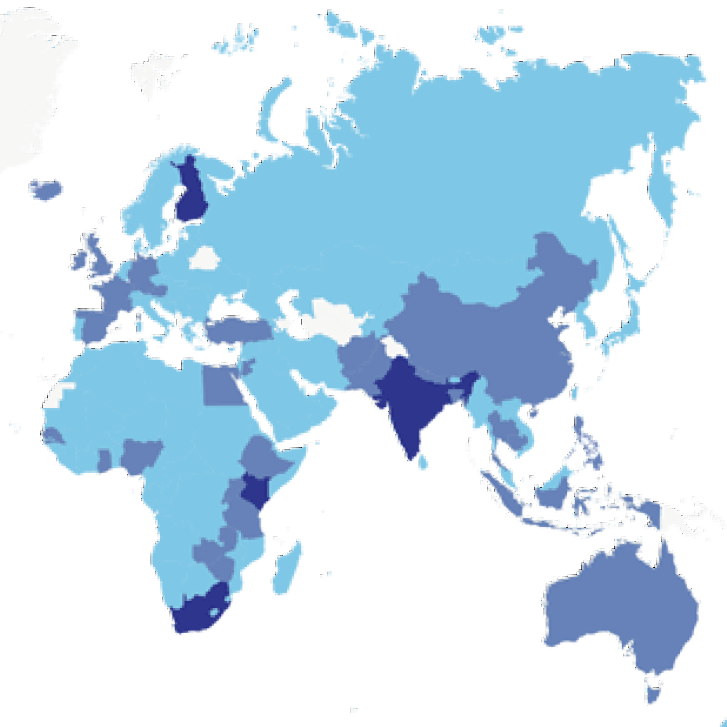
A new approach to addressing skills uncertainty and inequality across the globe.

Improving learning outcomes in India requires that funders and social purpose organizations shift to working on the entire educational ecosystem rather than focused interventions.
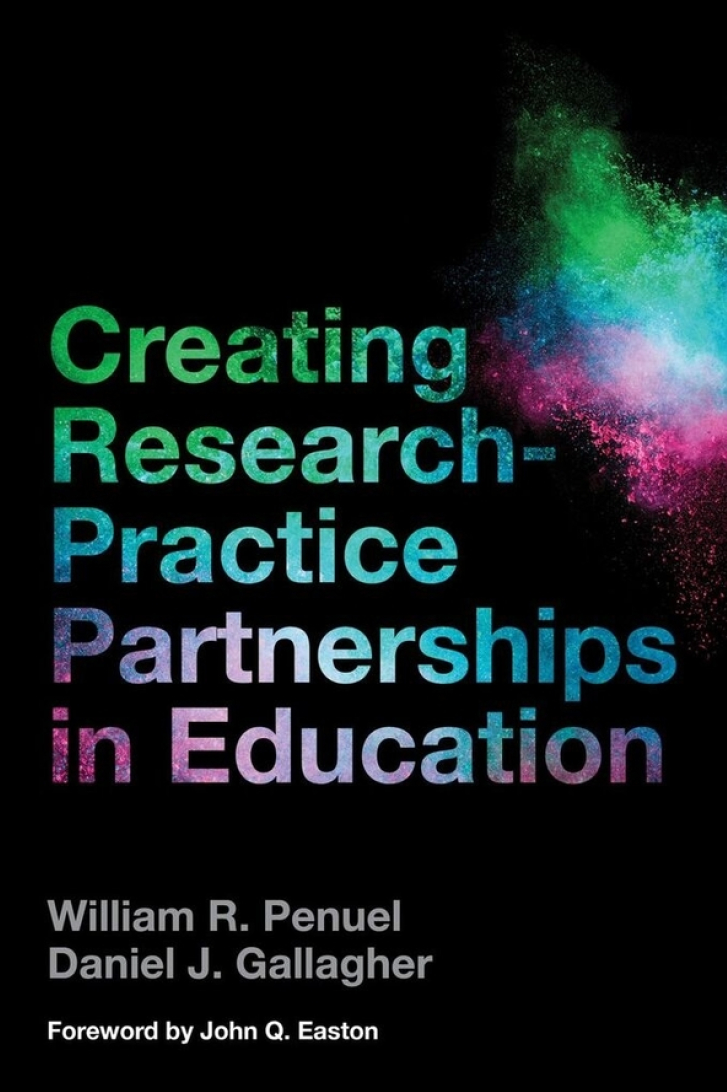
Experienced educators provide guidance for those wishing to create and maintain effective partnerships between researchers and educators.

A four-part framework for increasing young refugees’ access to tertiary education.
Advocates of US charter schools argue their model promotes innovation in the classroom. Critics worry that investors’ interests usurp those of students. Pay-for-success financing can help bridge that divide.

To achieve the Sustainable Development Goals related to inclusive education and gender equality, we need to examine how girls’ education has changed since 2015.

To equip today’s students for the future, we need to understand the fundamental building blocks of complex skills, and apply that understanding to teaching practices and assessments.

How can we engage vested interests in a move toward the kinds of assessments we increasingly need to measure a breadth of skills, when maintaining the status quo is easier (and profitable)?

To prepare students for the job markets that will await them, let’s focus on the skills, not the scores.